


Related articles
Fording Island Dental in Okatie: Meet Dr. Buck, Dr. Feng and Dr. Caskey-Buck
Fording Island Dental in Okatie has three Indiana University-trained dentists. Learn their backgrounds, the services offered and how to check dental coverage with your Medicare plan.
Read More
Harbor Point Dentistry in Okatie: Dr. Elizabeth Abell and Sleep Medicine Dentistry
Harbor Point Dentistry on Okatie Center Boulevard offers restorative care, implants, TMJ therapy and sleep appliances. Meet Dr. Abell and office manager Mary Kate, and learn how to check Medicare dental coverage.
Read More
Wooster Dental Care Near Sun City: Dr. Jay Wooster's Four Decades in Dentistry
Dr. Jay Wooster has practiced dentistry since 1984 and has served the Lowcountry since 1996. Meet him and hygienist Michele Bazemore, and learn how to check dental coverage on Medicare.
Read More
Hughes Dental Group in Bluffton: A Dental Office Near Sun City
A look at Hughes Dental Group on William Pope Drive near Sun City, what is publicly known about the practice, and how to check dental coverage on Medicare.
Read More
Hilton Head Dental in Sun City Bluffton: Dr. Daniel Lawless, Army Veteran and Dentist
Meet Dr. Daniel Lawless of Hilton Head Dental, an Army veteran with a Sun City-area office on William Pope Drive, and the team who run the office, plus how to check dental coverage with your Medicare plan.
Read More
Sun City Hilton Head by the Numbers: What an 18,000-Resident 55+ Community Means for Medicare
From 100 first residents in 1995 to more than 18,000 today, the key numbers behind Sun City Hilton Head and the Medicare questions that follow.
Read More
Fitness, Wellness and Medicare Near Sun City Hilton Head
Sun City Hilton Head is built around an active lifestyle. Here is how Medicare plans handle fitness and wellness benefits, and what to verify first.
Read More
Moving to Sun City Hilton Head: Your Medicare Checklist
Relocating to Sun City Hilton Head? Here is what to do about Medicare, from Special Enrollment Periods to avoiding late-enrollment penalties.
Read More
Part-Time Residents of Sun City Hilton Head: How Medicare Works When You Split the Year
Snowbirds and seasonal residents: how plan service areas, networks and enrollment windows affect Medicare when you live in two places.
Read More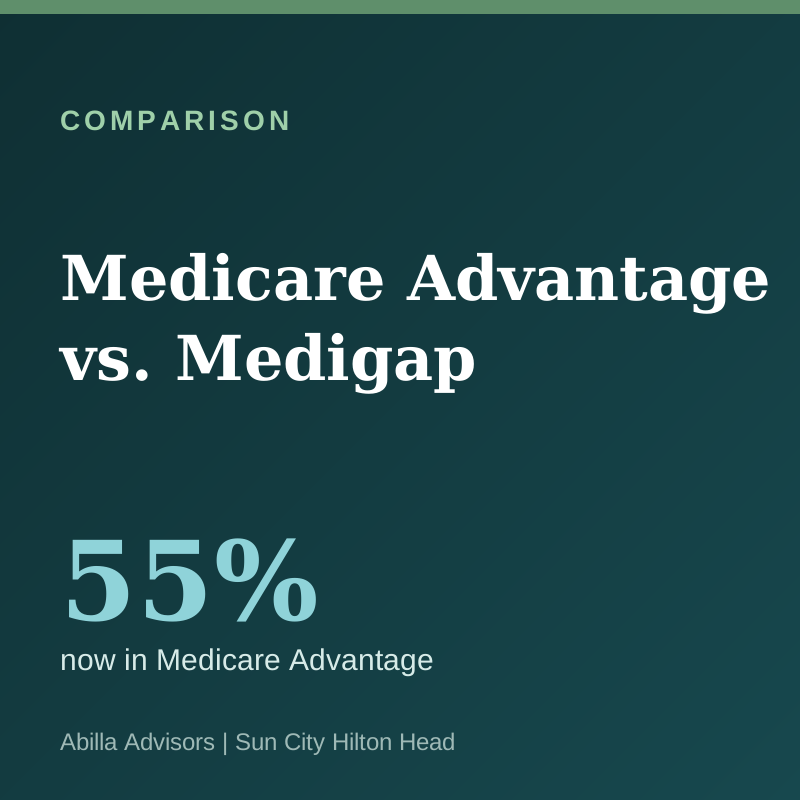
Medicare Advantage vs. Medigap for Active Retirees in Sun City Hilton Head
Active, travelling retirees weigh low premiums against flexibility. Here is how Medicare Advantage and Medigap compare, with the latest enrollment data.
Read More
Doctors and Hospitals Near Sun City Hilton Head: What to Check Before Choosing a Medicare Plan
Hospitals and care sites near Sun City Hilton Head, how far the big academic centers are, and why your doctors should decide your Medicare plan.
Read More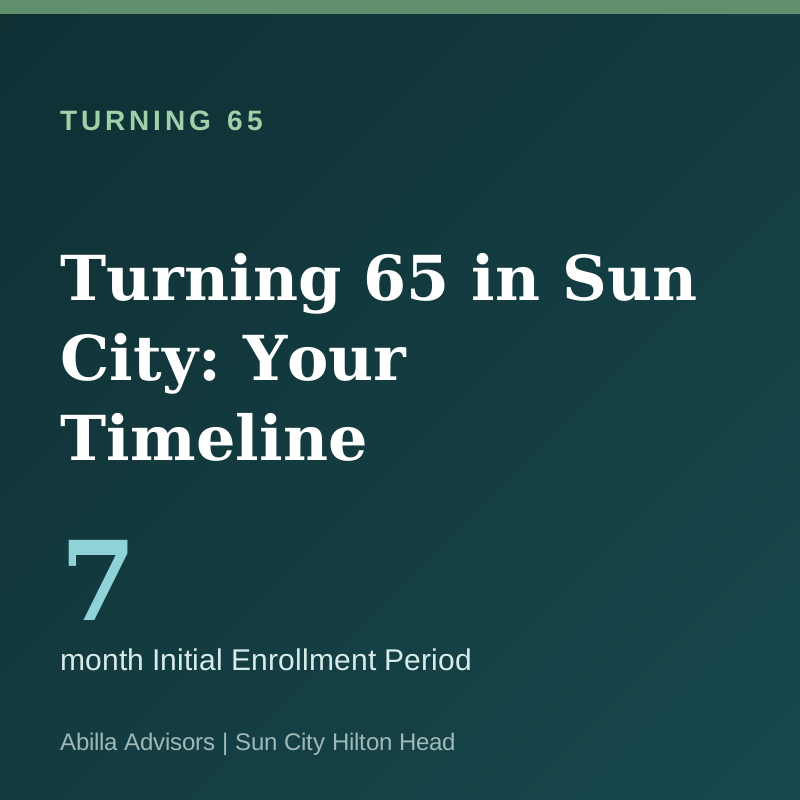
Turning 65 in Sun City Hilton Head? Your Medicare Timeline
Moving to Sun City at 55 is common. Medicare starts at 65, and missing your window can cost you for life. Here is the timeline for Sun City residents.
Read More
2027 Medicare Plan Changes for Sun City Hilton Head Residents
BlueCross Total PPO is leaving Beaufort County for 2027, and plan choices are shrinking nationwide. Here is what Sun City Hilton Head residents should check before December 7.
Read More
Sun City Hilton Head Sits in Two Counties. Why Neighbors Can Have Different Medicare Plans
Sun City sits between Beaufort and Jasper counties, and Medicare plans are sold by county. Here is why two neighbors can see different options, using BlueCross's 2027 plans as an example.
Read More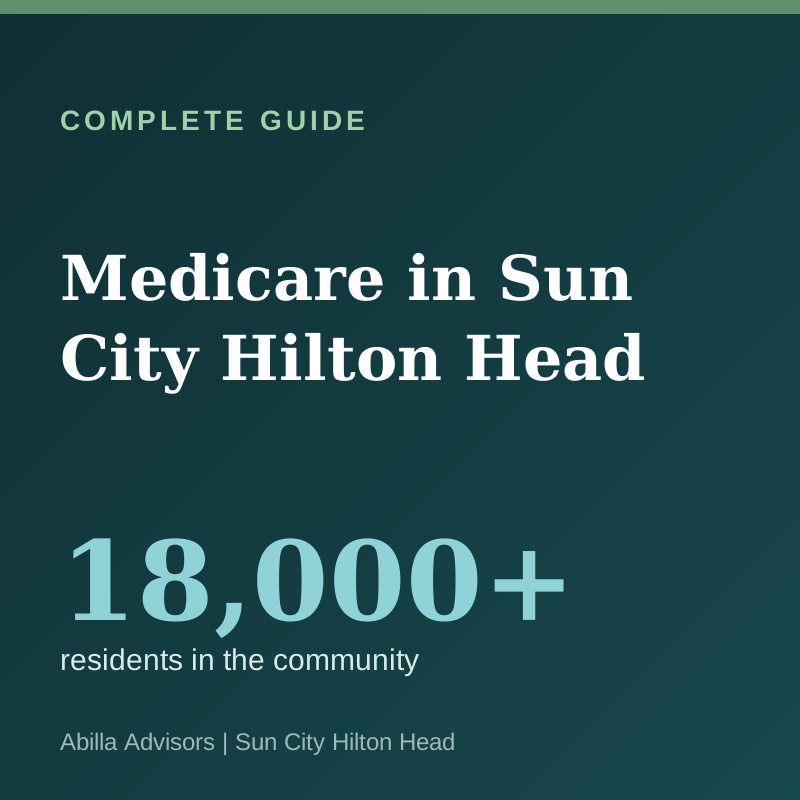
Medicare in Sun City Hilton Head: The Complete Guide for Residents
Sun City Hilton Head has more than 18,000 residents in a 55+ community near Bluffton and Okatie. Here is how Medicare works for Sun City residents, from enrollment dates to plan choices.
Read More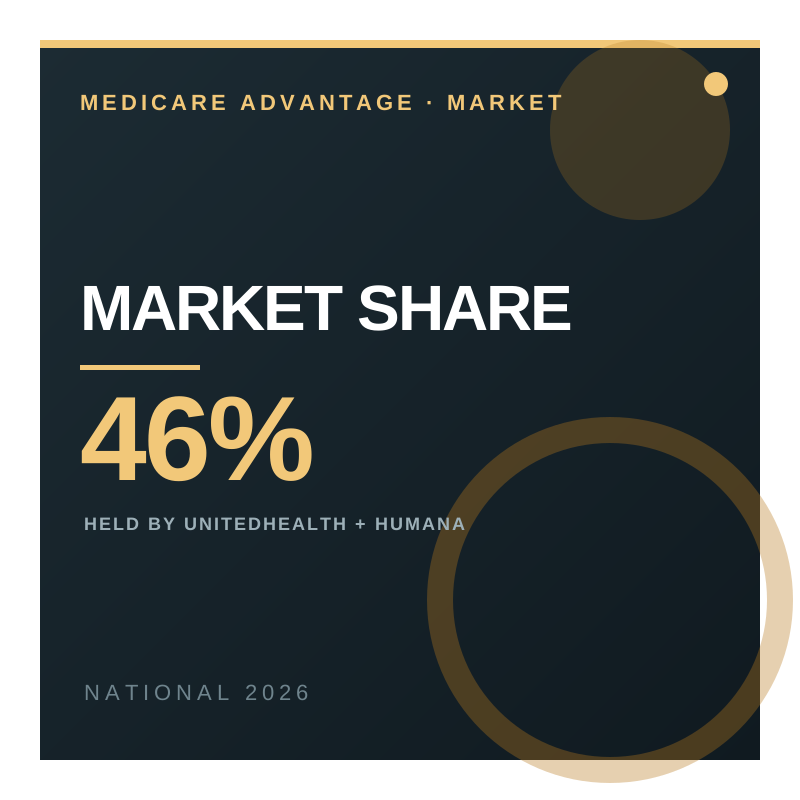
Who Sells Medicare Advantage? UnitedHealthcare and Humana Hold 46% of the Market
35.2 million people are in Medicare Advantage in 2026, and two companies cover nearly half of them. Here is the market share breakdown and what it means for choosing a plan.
Read More
South Carolina Medicare Savings Programs in 2026: Income Limits and How to Apply
South Carolina residents with limited income may get help paying Medicare premiums through QMB, SLMB, and QI. Here are the 2026 limits and where to apply.
Read More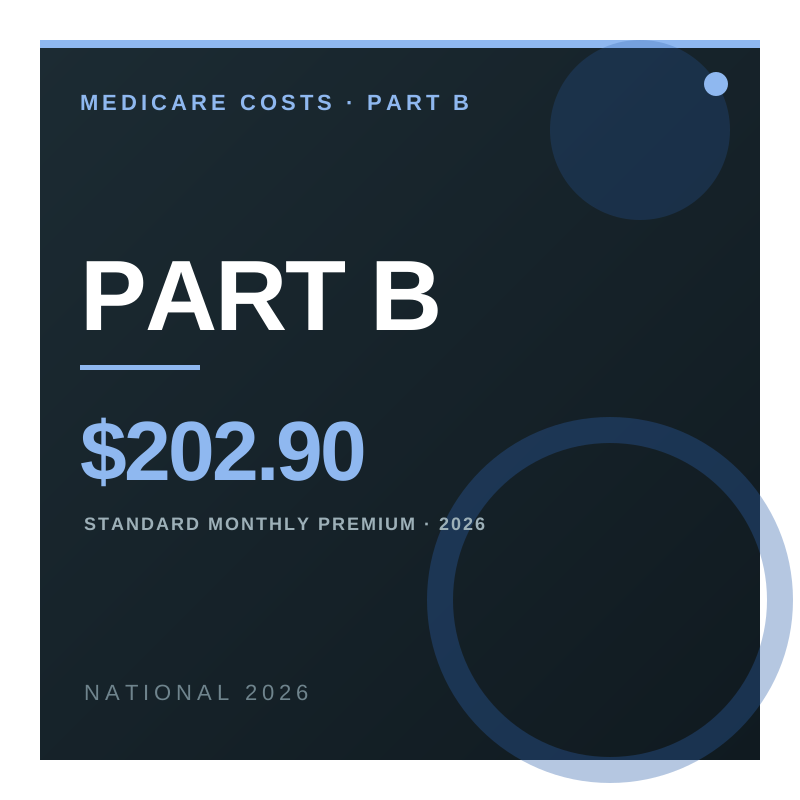
Medicare Part B Premium and Deductible: 2026 Costs and the 2027 Outlook
The 2026 Part B premium is $202.90 a month with a $283 deductible. The 2027 amounts are not final yet. Here is what you pay now and what the Trustees project.
Read More
Medicare and TRICARE For Life in Beaufort, SC: What Military Retirees Should Know
Beaufort is home to Parris Island, MCAS Beaufort, and a naval hospital. If you are a military retiree, here is how Medicare and TRICARE For Life fit together and what to check before you change plans.
Read More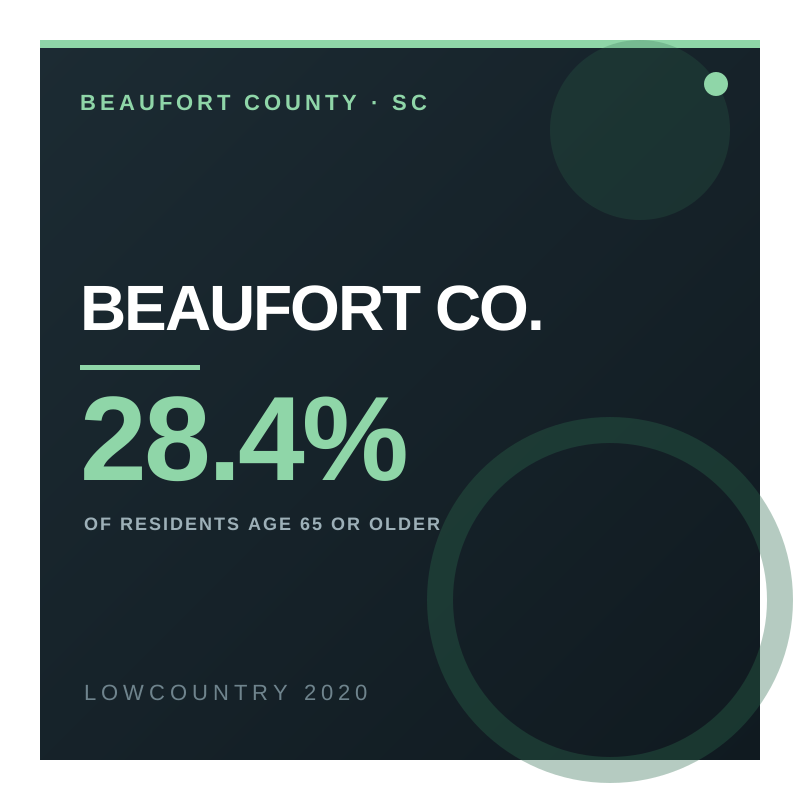
Medicare in Beaufort County, SC: Plans, Enrollment, and Free Help
More than 28% of Beaufort County residents are 65 or older. Here is how Medicare works in the county, what is changing for 2027, and where to get free help.
Read More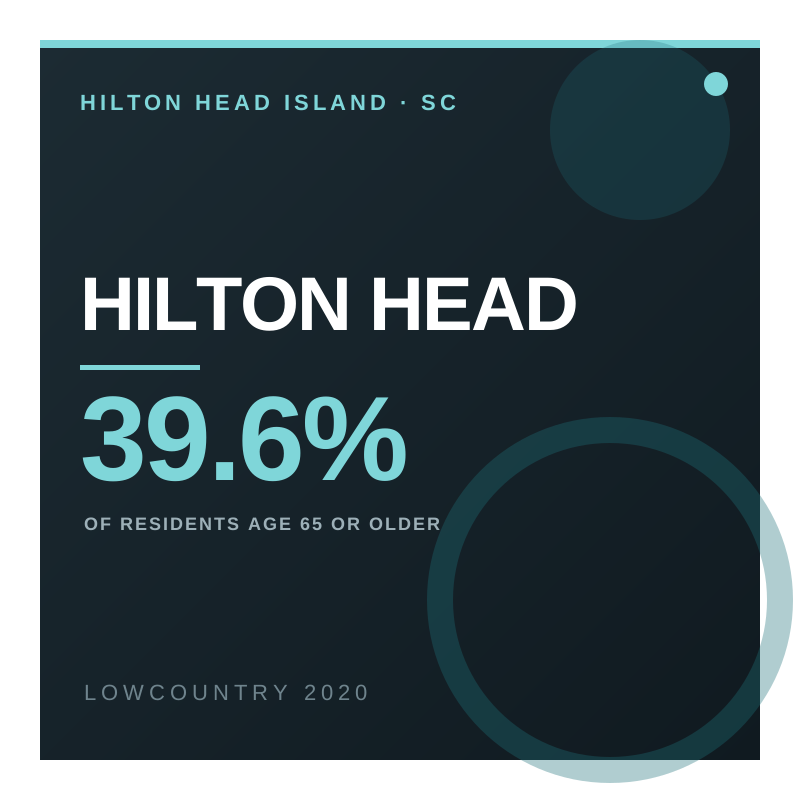
Medicare on Hilton Head Island: A Guide for Retirees and Seasonal Residents
Nearly 40% of Hilton Head Island residents are 65 or older. Here is how Medicare works for year-round and seasonal residents, and what to check about doctors and plan networks.
Read More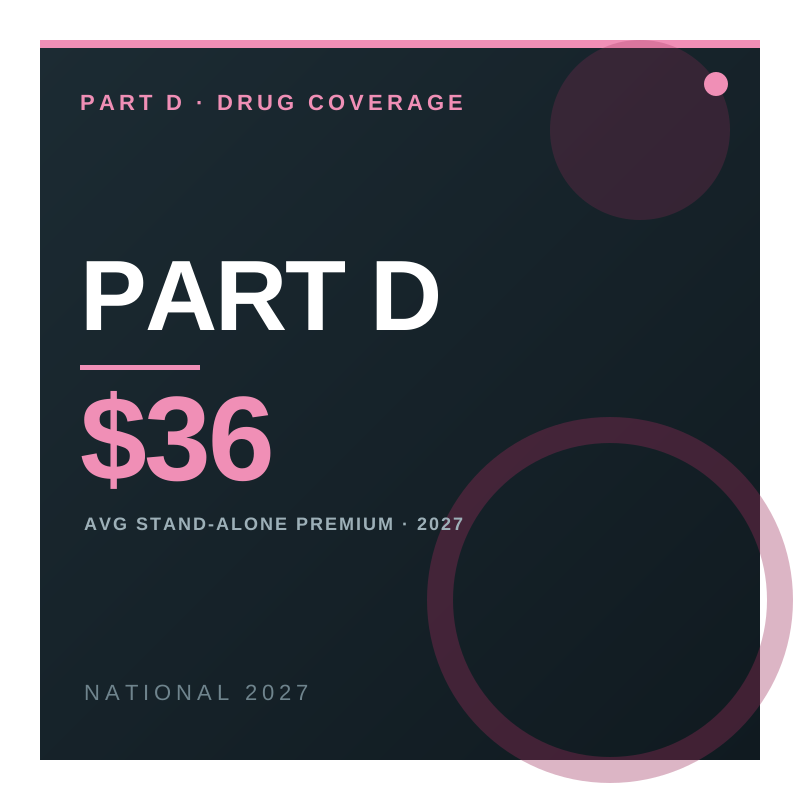
Medicare Part D in 2027: Average Premiums, Costs, and the Drug Cap
The average stand-alone Part D premium is $36 in 2027, while the Part D premium inside Medicare Advantage plans falls to $7. Here is how the numbers compare and what to check.
Read More
2027 Medicare Advantage Star Ratings: 71% of Members Are in 4-Star Plans or Better
CMS released 2027 star ratings on October 8, 2026. About 71% of Medicare Advantage drug plan members are in plans rated 4 stars or higher. Here is what the ratings mean and how to use them.
Read More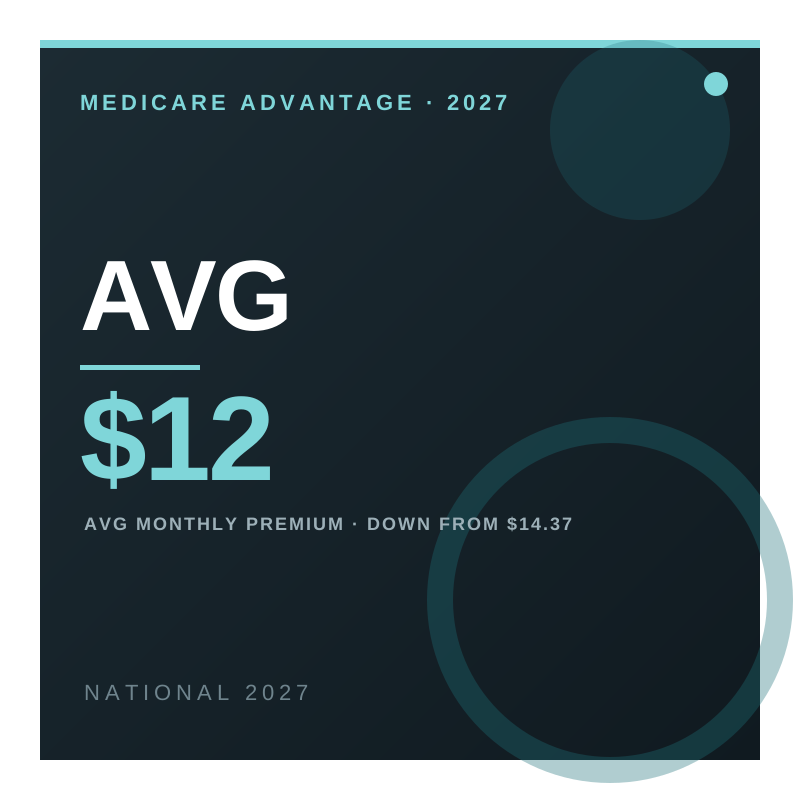
Medicare Advantage in 2027: Average Premium Falls to $12, but You Have Fewer Plans
CMS says the average Medicare Advantage premium drops to $12.00 in 2027, but the typical person will see fewer plans to choose from. Here is what changed and what to check.
Read More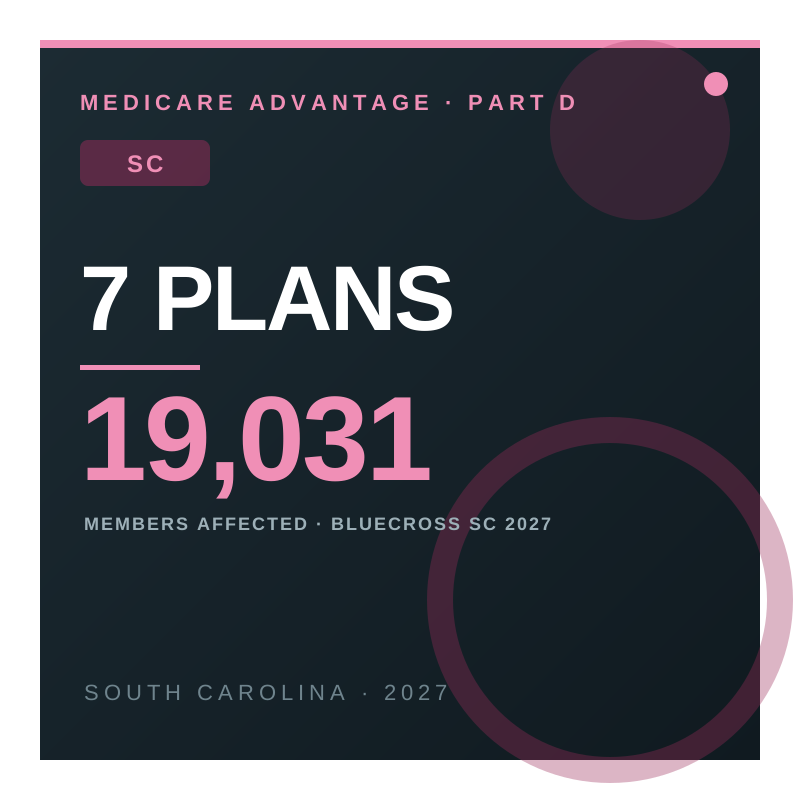
BlueCross BlueShield of South Carolina Is Changing 7 Medicare Plans for 2027
Seven BlueCross BlueShield of South Carolina Medicare plans are ending or shrinking their service areas for 2027, affecting more than 19,000 members.
Read More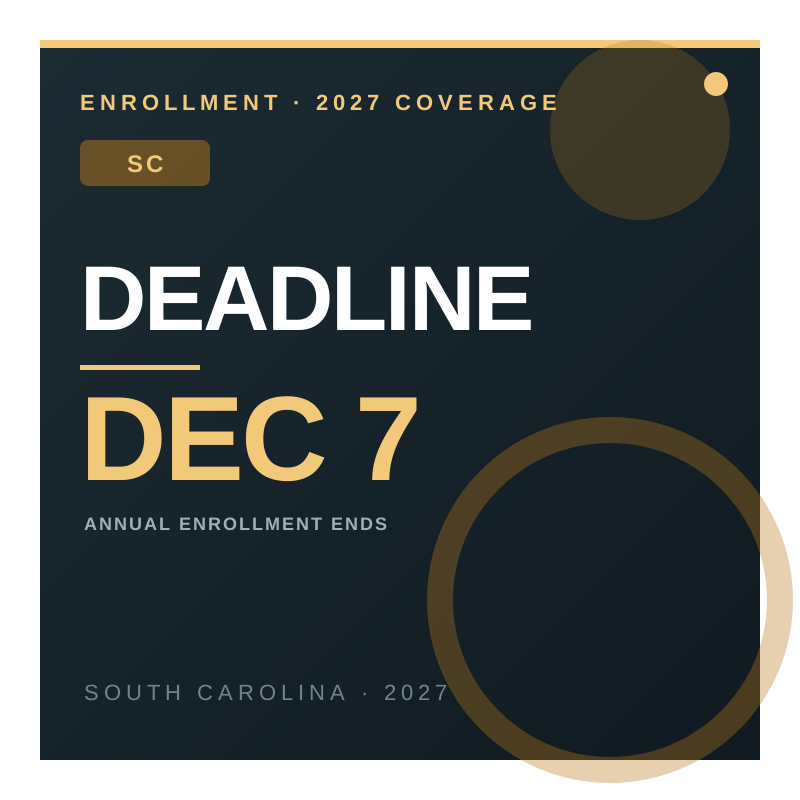
Medicare Enrollment Dates for 2027 Coverage: What to Do and When
Annual Enrollment, the January to March window, and the special period for people whose plan is ending. Here are the Medicare dates that matter for 2027 coverage.
Read More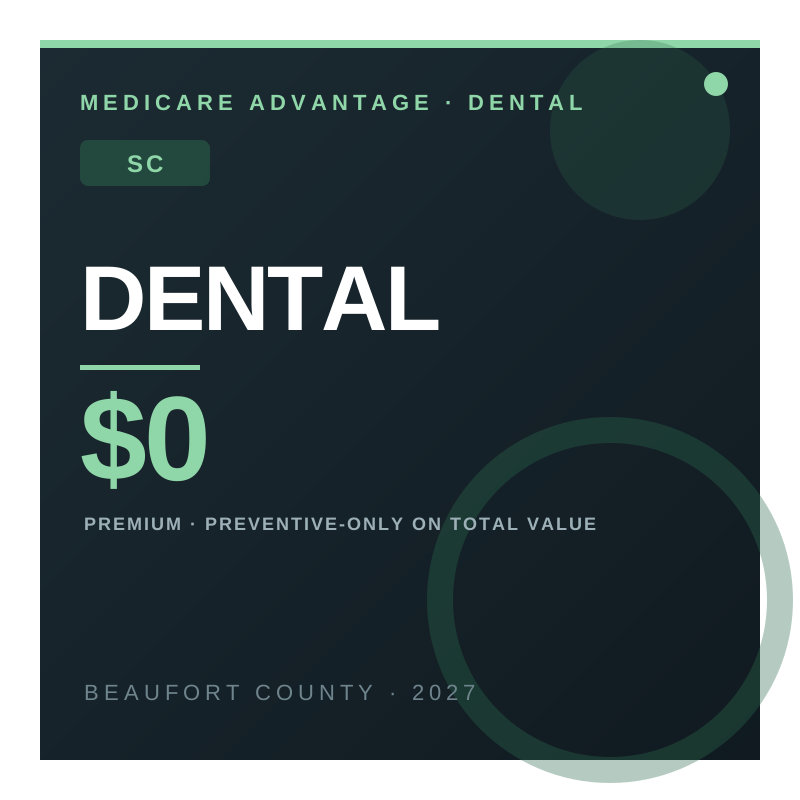
Preventive vs. Comprehensive Dental in Medicare Advantage: What to Know in Beaufort County
Original Medicare generally leaves out routine dental. Here is the difference between preventive and comprehensive dental in Medicare Advantage, and how BlueCross's 2027 Beaufort plans compare.
Read More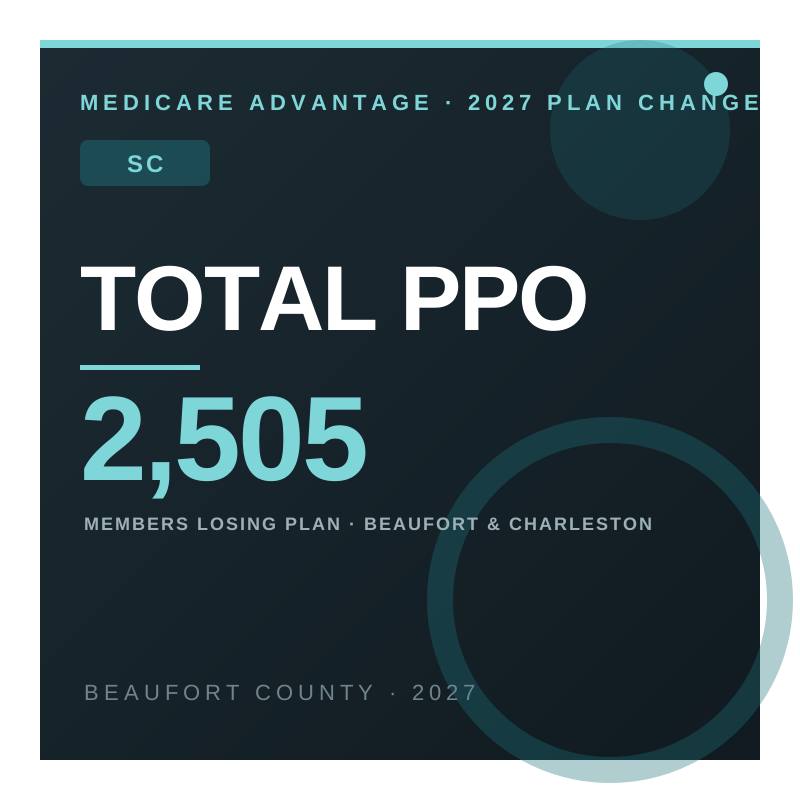
BlueCross Total PPO Is Leaving Beaufort County in 2027. What Members Should Do
BlueCross BlueShield of South Carolina is pulling its Total PPO from Beaufort and Charleston counties for 2027. Here is the timeline and your options.
Read More
Turning 65 in Bluffton, SC? Your Medicare Timeline
Turning 65 or reviewing your plan in Bluffton, South Carolina? Here are the Medicare enrollment windows, plan types, and where to get free help.
Read More
Data & Methodology
Every dataset behind our county, city, and ZIP code pages — what it measures, where it comes from, and how it's cited.
Read More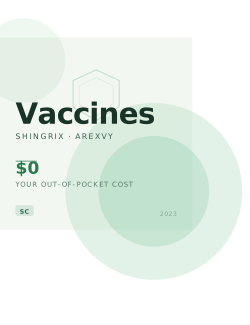

North Carolina Medicare Spent 91 Million on Two Vaccines in 2023
Shingrix and Arexvy are the two most expensive vaccines in North Carolina Medicare Part D. Both are free to you. Both are worth getting.
Read More
New Diabetes Drug Costing North Carolina Medicare Beneficiaries 86 Million Per Year
Ranked 165th in prescriptions. But Mounjaro is already NC's 18th most expensive Medicare drug after launching in mid-2022.
Read More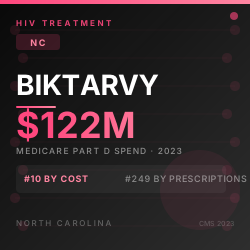
122 Million Spent in a Year on HIV Drug in North Carolina for Medicare Beneficiaries
Ranked 249th in prescriptions. But Biktarvy is NC's tenth most expensive Medicare drug, and its presence here reflects a distinctive part of the state's health profile.
Read More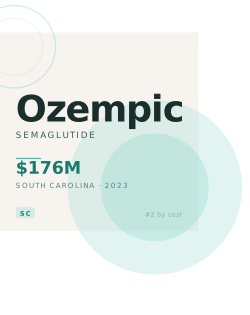
Blockbuster Drug Ozempic Ranked 52nd in Prescriptions in South Carolina
Ranked 52nd in prescriptions. But Ozempic is South Carolina's second most expensive Medicare drug.
Read More
The Diabetes Shot Behind $407 Million in North Carolina Medicare Spending
Ranked 43rd in prescriptions. But Ozempic is North Carolina's second most expensive Medicare drug, and it's still climbing.
Read More
South Carolina Spent 321 Million on Apixaban Blood Thinner
One drug. Ranked 13th in prescriptions. But Apixaban is South Carolina's single most expensive Medicare drug by a wide margin.
Read More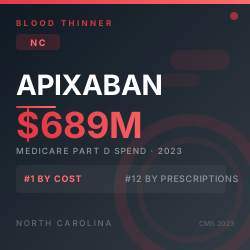
The Blood Thinner Costing North Carolina Medicare $689 Million a Year
One drug. Ranked 12th in prescriptions. But it costs more than the next four most expensive drugs combined.
Read More

